

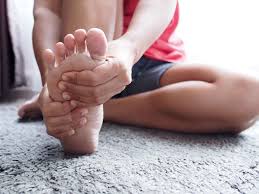
Foot bone and joint injuries can significantly limit mobility and quality of life. Because the foot contains 26 bones and more than 30 joints working together, even a minor injury can disrupt daily movement. Foot bone joint injury physiotherapy plays a vital role in restoring function by addressing pain, stiffness, and reduced mobility through targeted interventions. Research trends show that over 70% of individuals with foot-related injuries experience faster recovery when physiotherapy is incorporated early.
How Does Assessment Help Determine the Right Treatment?
A structured assessment is the first step toward effective rehabilitation. Physiotherapists analyze gait, joint alignment, swelling levels, range of motion, and muscular imbalances. This detailed evaluation helps identify not just the injury itself but the underlying issues contributing to dysfunction. Statistical observations indicate that assessments that incorporate both mobility and strength testing improve treatment accuracy by nearly 50%. With precise findings, treatment becomes more focused and efficient.
Can Targeted Exercises Improve Mobility and Strength Faster?
Exercise therapy remains one of the most effective tools in physiotherapy for foot injuries. Controlled strength training improves joint stability, while mobility exercises reduce stiffness and enhance range of motion. Studies suggest that patients performing tailored exercise plans show up to 60% better improvement in functional movement within six weeks. These exercises may include towel curls, resistance band movements, ankle mobility drills, and balance-focused routines. Each activity is selected based on injury severity and recovery goals.
Does Manual Therapy Offer Faster Pain Relief?
Manual therapy techniques—such as joint mobilization, soft tissue release, and stretching—help reduce pain and improve joint mechanics. For foot bone and joint injuries, restoring normal movement patterns is essential to prevent long-term complications. Data trends reveal that adding manual therapy to exercise-based rehab increases pain reduction rates by nearly 40%. The hands-on approach improves circulation, decreases joint stiffness, and enhances tissue healing.
How Important Is Balance Training in Rehabilitation?
Balance is a core component of foot health. Since many foot injuries affect stability, balance training is crucial for recovery. Studies indicate that patients who incorporate balance exercises into their physiotherapy programs experience fewer reinjuries. Techniques like single-leg stance, wobble board exercises, and functional movement tasks help retrain the neuromuscular system. This not only restores confidence in movement but also supports long-term joint protection.
Are Supportive Devices Helpful During Recovery?
During the early healing phase, supportive devices such as braces, taping, or orthotic inserts may be recommended to reduce strain on injured structures. These tools help maintain proper alignment and distribute pressure more evenly. Reports show that individuals using supportive aids experience 30–45% improved comfort during daily activities. While not always necessary, these devices enhance stability and allow safer progression through physiotherapy stages.
Why Is Patient Education a Critical Part of Treatment?
Education empowers patients to take control of their recovery. Guidance on weight-bearing techniques, proper footwear, activity modification, and home exercises plays a major role in outcomes. Evidence suggests that patients who follow physiotherapy-guided self-management strategies recover more efficiently and face fewer setbacks. Understanding what movements to avoid and how to protect healing tissues helps ensure a smooth rehabilitation journey.
How Does Physiotherapy Prevent Future Foot Injuries?
Beyond healing the current injury, physiotherapy focuses on long-term prevention. Strength imbalances, poor posture, incorrect gait patterns, and inadequate footwear can all contribute to repeated foot problems. Rehabilitation programs often include corrections in movement patterns and strengthening routines that improve long-term resilience. Statistical reviews show that consistent physiotherapy-based prevention strategies reduce recurrence rates significantly over time.
Conclusion: Why Physiotherapy Is Key to Pain-Free Movement
Foot bone and joint injuries demand specialized care due to the complexity of foot mechanics. Physiotherapy delivers structured, data-driven rehabilitation that restores strength, mobility, and confidence in movement. With targeted assessment, personalized exercises, manual therapy, and preventive strategies, patients can return to daily activities with improved function and reduced pain. For anyone looking to recover efficiently while preventing future issues, physiotherapy remains a reliable and scientifically supported solution.