

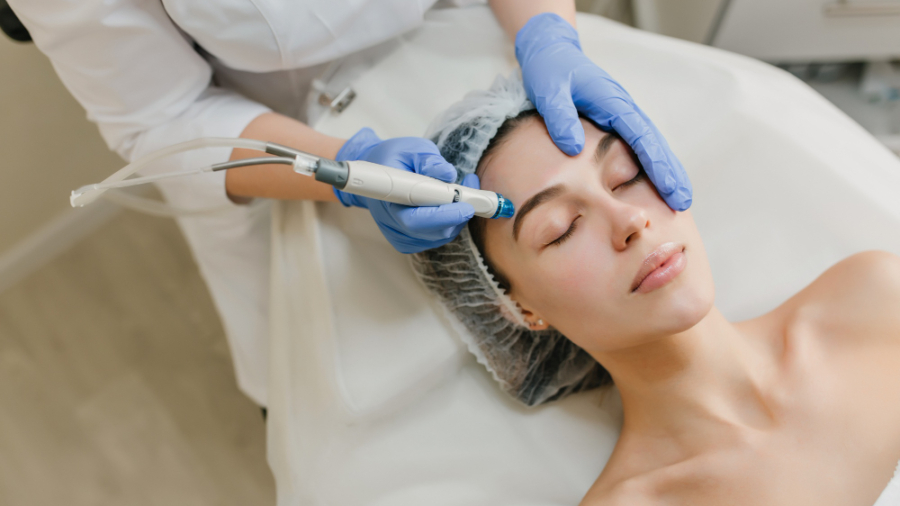
Glowing, healthy skin is often seen as more than just a beauty goal. It is a reflection of confidence, self-care, and overall well-being. Thanks to advances in cosmetic dermatology, achieving that natural radiance is more accessible than ever. From treatments that target fine lines and discoloration to personalized skincare routines that deliver lasting results, this field brings science and artistry together. This guide explores popular treatments, expert insights, and everyday habits to help you nurture and enhance your skin’s beauty.
What Cosmetic Dermatology Really Means
Cosmetic dermatology covers a wide range of procedures aimed at improving both appearance and skin vitality. It draws from biology, chemistry, and aesthetics to understand how the skin functions, changes with age, and responds to care.
The skin is the body’s largest organ, working as the first defense against the environment. It is made up of three layers:
- Epidermis: The outer barrier that shields against toxins and pollutants.
- Dermis: The middle layer containing connective tissue, sweat glands, and hair follicles.
- Subcutaneous tissue: The deeper layer that stores fat and provides insulation.
By understanding these layers, dermatologists can recommend treatments that target the right depth, whether the goal is surface-level rejuvenation or deeper collagen stimulation.
Cosmetic vs. Medical Dermatology
Although often confused, cosmetic and medical dermatology are not the same. Cosmetic dermatology focuses on appearance: reducing wrinkles, improving skin tone, softening scars, and enhancing texture. Common treatments include Botox, fillers, and resurfacing.
Medical dermatology, by contrast, treats skin conditions such as eczema, acne, psoriasis, and skin cancers. Sometimes the two areas overlap. For example, medical treatments for acne may later require cosmetic care to improve scarring.
Both fields share a common aim: healthier, more confident patients.
Why Credentials Matter
With so many clinics offering treatments, choosing the right dermatologist is crucial. A board-certified dermatologist with specialized training can assess skin type, understand unique concerns, and recommend safe, effective procedures.
The best professionals will discuss potential risks, outline alternatives, and set realistic expectations. Beyond expertise, a strong doctor–patient relationship helps ensure treatments feel personalized and satisfying.
Popular Treatments for Radiant Skin
Chemical Peels: Exfoliation with Results
Chemical peels remain a popular choice for refreshing skin. They involve applying a solution that removes dead cells, revealing smoother and brighter skin underneath.
- Light peels use mild acids like alpha-hydroxy acids (AHAs) and require little to no downtime.
- Medium peels penetrate deeper with stronger acids, targeting more pronounced concerns such as fine lines or uneven tone.
- Deep peels treat severe sun damage and deeper wrinkles, but they come with longer recovery times.
The benefits range from improved texture and tone to reduced acne scars and pigmentation.
Laser Therapy: Precision Skin Renewal
Laser treatments address concerns like age spots, broken blood vessels, wrinkles, and scarring.
- Ablative lasers remove surface layers of skin to stimulate regeneration.
- Non-ablative lasers work beneath the skin to encourage collagen production without disrupting the surface.
Fractional lasers, which treat skin in tiny sections, have become especially popular because they balance results with quicker recovery times. Each session requires careful planning based on skin type and desired outcomes.
Injectables and Fillers: Subtle but Effective
Injectables continue to grow in demand for their quick results and minimal downtime.
- Botox relaxes facial muscles to smooth out dynamic wrinkles, such as frown lines or crow’s feet.
- Fillers restore lost volume and hydration in areas like the cheeks, lips, or jawline. Most fillers use hyaluronic acid, a natural substance in the skin that retains moisture.
Used together, Botox and fillers can refresh facial features while maintaining a natural look.
Skincare Beyond the Clinic
Building a Personalized Routine
No single routine works for everyone. Genetics, environment, and lifestyle all influence skin health. A dermatologist can help design a plan suited to individual needs.
- Oily or acne-prone skin may benefit from oil-free products with salicylic acid.
- Dry skin often requires nourishing formulas with ingredients like ceramides and glycerin.
- Sensitive skin may need fragrance-free, gentle cleansers and moisturizers.
Routines should also adapt with the seasons or as skin changes over time.
Ingredients Worth Paying Attention To
Certain ingredients stand out for their proven benefits:
- Vitamin C: Fights free radicals and supports collagen production.
- Retinoids: Increase cell turnover to reduce fine lines and discoloration.
- Peptides: Support elasticity and hydration.
- Sunscreen: Daily use of SPF 30 or higher protects against premature aging and skin cancer.
Incorporating these into a consistent routine can help maintain long-term skin health.
Daily Habits That Make a Difference
Professional treatments are powerful, but everyday habits are just as important:
- Gentle cleansing removes buildup without stripping the skin.
- Hydration through water intake and nutrient-rich foods helps maintain skin’s natural glow.
- Exercise improves circulation, nourishing the skin from within.
- Sleep allows the skin to repair itself overnight.
Combined with professional care, these small actions build a strong foundation for radiant skin.
What’s Next for Cosmetic Dermatology?
Emerging Technologies
The field continues to evolve with new approaches. Microneedling combined with radiofrequency, for instance, improves firmness and texture by stimulating deeper layers of skin. High-intensity focused ultrasound (HIFU) is being used for non-invasive lifting and tightening.
Even artificial intelligence is making its way into consultations, helping practitioners analyze skin conditions and recommend personalized treatment plans.
Eco-Friendly Practices
As more people consider sustainability, dermatology is beginning to respond. From biodegradable packaging to responsibly sourced ingredients, the industry is making strides toward greener practices. Teledermatology, which allows virtual consultations, also reduces the environmental footprint by cutting down on travel.
Holistic Care
Skin health is closely connected to lifestyle. Stress, diet, and overall wellness can all affect the complexion. Many dermatologists now incorporate nutrition advice, stress management techniques, and mindfulness practices into their care. This broader view acknowledges the powerful link between inner health and outward appearance.
Final Thoughts
Cosmetic dermatology offers a wide variety of options, from in-office procedures like chemical peels, lasers, and injectables to personalized home routines built on proven ingredients. When paired with healthy daily habits and guided by a trusted dermatologist, these treatments can bring lasting improvements to both appearance and confidence.
Radiant skin is not just about looking good in the mirror. It reflects the harmony of good health, mindful habits, and expert care.