

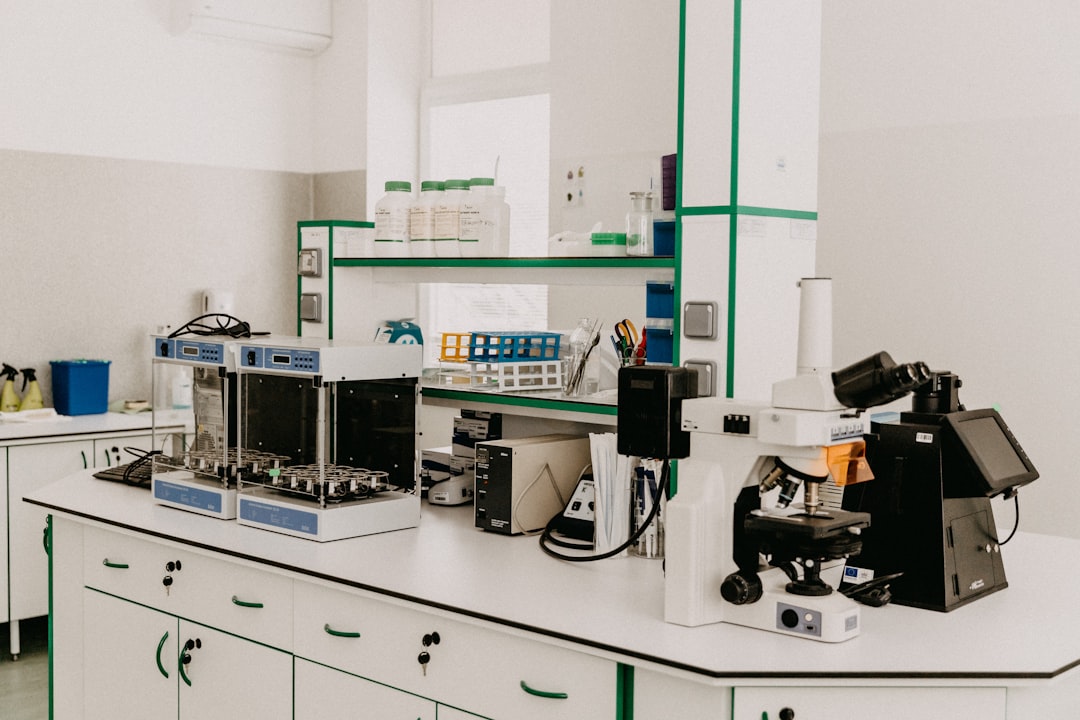
How is innovation reshaping contemporary pathology? Advances in laboratory science, digital technologies, molecular research, and analytical methods are creating new opportunities to understand disease with greater depth. Dr. Wael Sakr reflects the importance of research-focused thinking in this evolving environment, where innovation is closely connected with scientific discovery and improved diagnostic understanding. The continued development of pathology demonstrates how thoughtful research and modern tools can work together to expand the capabilities of healthcare science.
Contents
- What makes innovation important to contemporary pathology?
- How does research encourage meaningful innovation?
- What technologies are influencing pathology today?
- Why is collaboration important for pathology innovation?
- How can innovation improve diagnostic understanding?
- What does Dr. Wael Sakr Detroit highlight about pathology development?
- What could the next generation of pathology innovation look like?
- Conclusion
What makes innovation important to contemporary pathology?
Innovation allows pathology to respond constructively to new scientific challenges and opportunities. Modern laboratories can draw on technologies that were not widely available in earlier periods, enabling researchers to examine biological information in more detailed ways. This progress can support better organization of findings, more comprehensive analysis, and broader scientific exploration. Innovation therefore contributes to the continuing development of pathology as both a diagnostic and research discipline.
How does research encourage meaningful innovation?
Research provides a foundation for evaluating new ideas systematically. Rather than adopting a new method simply because it is technologically advanced, scientific investigation allows researchers to study its usefulness, reliability, and potential applications. This process creates a balanced relationship between experimentation and evidence. Strong research frameworks can help identify promising approaches while supporting the continued refinement of established pathology practices.
What technologies are influencing pathology today?
Several technological developments are expanding the possibilities within pathology. Digital imaging can provide detailed visual information, while molecular techniques can help researchers explore biological characteristics at a deeper level. Computational analysis also offers opportunities to organize and interpret large amounts of information efficiently. When these resources are combined with professional expertise, they can contribute to more sophisticated research and a broader understanding of complex disease processes.
Why is collaboration important for pathology innovation?
Innovation rarely develops in isolation. Pathology research often benefits from collaboration between laboratory professionals, scientists, clinicians, and technology specialists. Each discipline can contribute a different perspective, helping research teams examine problems from multiple angles. Collaborative environments can also encourage the exchange of ideas and support the development of approaches that connect laboratory discoveries with wider healthcare objectives.
How can innovation improve diagnostic understanding?
The purpose of innovation is not simply to introduce new technology but to create meaningful improvements in scientific knowledge. New analytical methods can provide researchers with additional ways to study tissue characteristics, molecular patterns, and disease-related information. These capabilities may reveal details that support a more complete interpretation of pathology findings. Continuous innovation can therefore strengthen the scientific foundation behind modern diagnostic practice.
What does Dr. Wael Sakr Detroit highlight about pathology development?
The expanding relationship between research and innovation provides context for Dr. Wael Sakr Detroit and the broader role of scientifically focused professionals within contemporary pathology. A research-led perspective emphasizes careful investigation, evidence-based development, and constructive use of emerging technologies. These principles support a pathology environment where innovation can be explored thoughtfully while maintaining a strong focus on scientific quality.
What could the next generation of pathology innovation look like?
Future progress may involve closer integration of digital pathology, molecular diagnostics, computational tools, and advanced data interpretation. These developments could provide researchers with increasingly detailed information about disease mechanisms. Continued education and research will also help professionals understand how emerging technologies can be applied effectively. The combination of innovation and scientific discipline may create valuable opportunities for the next stage of pathology development.
Conclusion
Innovation has become an important force behind the continued advancement of contemporary pathology. Research, technology, collaboration, and professional expertise collectively create an environment where new ideas can develop into valuable scientific approaches. Dr. Wael Sakr represents the significance of research-oriented thinking within this changing landscape. As pathology continues to evolve, responsible innovation can help expand scientific knowledge, strengthen diagnostic understanding, and contribute positively to the future of healthcare.
Key Takeaways
- Advances in laboratory science, digital technologies, and molecular research are reshaping contemporary pathology.
- Modern laboratories utilize technologies that enhance the examination of biological information in greater detail.
- Collaboration between various professionals is crucial for fostering innovation in pathology research.
- Research provides a framework for systematically evaluating new methods in pathology to ensure their reliability and applications.
- New analytical methods in pathology can lead to a more complete interpretation of disease-related information.
- The future of pathology will likely see the integration of digital and molecular diagnostics with advanced data interpretation.