

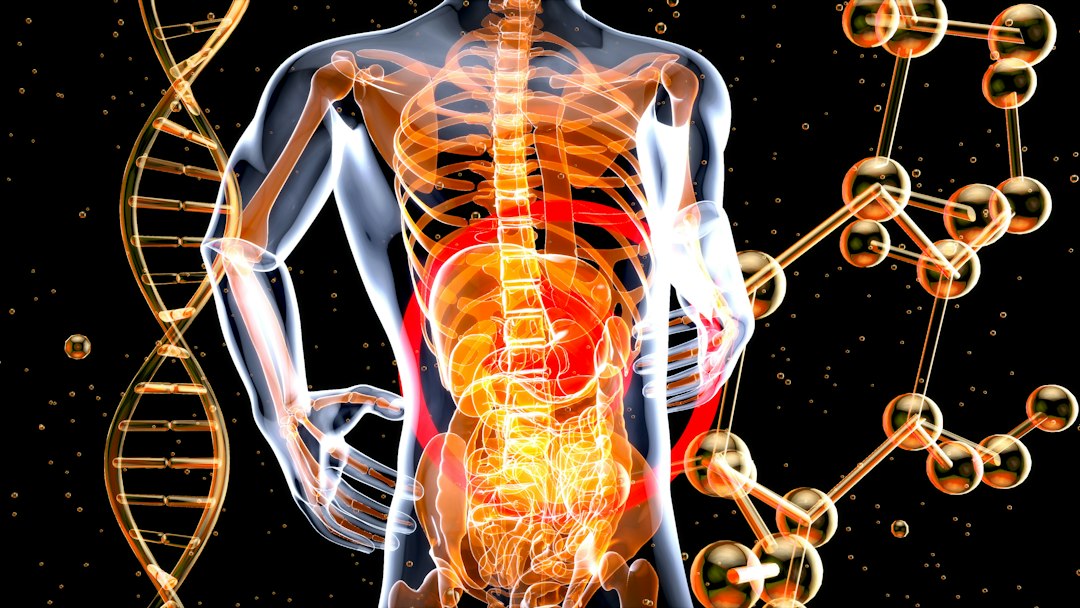
Understanding cannabis requires more than knowing what THC is. The way THC enters the body can strongly influence the resulting experience. Thc edibles use the digestive route, meaning the gastrointestinal system and liver are involved before the compound produces its full effect. This biological process helps explain why edible cannabis can have a slower onset and a different overall profile from inhaled products.
Contents
- How does the digestive system handle an edible?
- What role does the liver play?
- Why can the onset be unpredictable?
- What changes can THC cause?
- Does tolerance influence the experience?
- Can edibles interfere with daily responsibilities?
- Why should edibles be stored carefully?
- What about combining cannabis with other substances?
- What is the broader lesson?
How does the digestive system handle an edible?
An edible begins its journey through the digestive tract after consumption. Food and drink are broken down through normal digestive processes, allowing active compounds to become available for absorption.
The speed of this process can vary according to individual digestion, recent food intake, metabolism, and the characteristics of the product.
What role does the liver play?
The liver metabolizes many substances absorbed through the digestive system, including THC. During this process, THC is converted into metabolites that can contribute to the effects associated with edible cannabis.
This additional metabolic step is one reason edible cannabis cannot be expected to feel exactly like inhaled cannabis.
Why can the onset be unpredictable?
Digestion is not identical for everyone. Metabolic differences, stomach contents, digestive activity, and personal physiology can influence how quickly an individual notices effects.
Consequently, the same product may produce a different timeline for different people. Delayed onset should be understood as a normal characteristic of the consumption method rather than evidence that the product is ineffective.
What changes can THC cause?
THC may affect perception, memory, concentration, appetite, mood, coordination, and alertness. Some people may notice relaxation or heightened sensory awareness, while others can experience dizziness, anxiety, confusion, or drowsiness.
The psychological setting also matters. Stressful surroundings may make uncomfortable effects feel more noticeable.
Does tolerance influence the experience?
Tolerance can influence how strongly a person responds to THC. However, tolerance does not eliminate the possibility of impairment or unexpected effects.
Individual responses can also change over time because health, medications, metabolism, and other circumstances may differ from one experience to another.
Can edibles interfere with daily responsibilities?
They can. THC-related impairment may affect judgment, attention, memory, coordination, and reaction time. These effects can interfere with work, studying, driving, and other activities requiring consistent concentration.
Planning around possible impairment is therefore an important part of responsible cannabis awareness.
Why should edibles be stored carefully?
Edible cannabis can resemble ordinary food or beverages, creating a risk of accidental consumption. Secure storage is especially important in homes where children or pets may be present.
Clear labeling and appropriate storage practices can help prevent unintended exposure.
What about combining cannabis with other substances?
Combining THC with alcohol or other intoxicating substances can increase impairment and make the overall experience more difficult to predict. Avoiding combinations is a sensible approach for reducing unnecessary risks.
People taking medication should also consult a healthcare professional because cannabis may interact with certain medicines.
What is the broader lesson?
The effects of edible cannabis are closely connected to the body’s natural digestive and metabolic processes. Unlike inhaled cannabis, an edible must move through digestion and liver metabolism before its effects become fully apparent.
Understanding this pathway makes it easier to appreciate why onset, intensity, and duration can vary. Responsible awareness means recognizing individual differences, avoiding impaired activities, and seeking professional guidance when health or medication questions arise.
Key Takeaways
- THC edibles enter the body through the digestive system and liver, leading to a different experience compared to inhaled products.
- The onset of effects from edible cannabis can vary due to individual differences in digestion, metabolism, and food intake.
- The liver metabolizes THC into various metabolites, which can enhance or alter the effects associated with edible cannabis.
- Edible cannabis can impair judgment, attention, memory, coordination, and reaction time, affecting daily activities like work and driving.
- The potential for accidental consumption is high with edible cannabis, necessitating careful storage and clear labeling, especially in homes with children or pets.
- Combining THC with alcohol or other substances can increase impairment and unpredictability, making it advisable to avoid such combinations.