

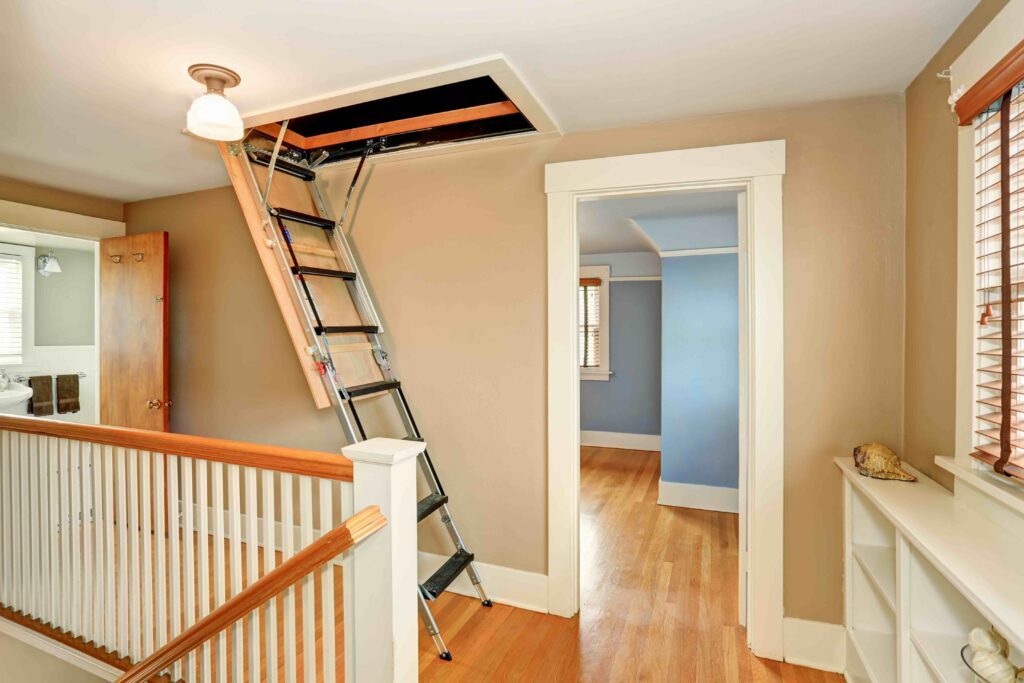
Safe loft access begins with selecting equipment suited to the property rather than choosing solely on price or appearance. Before purchasing loft ladders, homeowners should measure the ceiling height, opening dimensions, and available clearance. They should also review the manufacturer’s instructions, maximum permitted load, installation requirements, and relevant safety information. These checks help determine whether a particular model can be installed and operated safely within the available space.
Are There Specific UK Standards for Loft Ladders?
Product standards vary according to the ladder’s design and intended application. Homeowners should check whether the manufacturer identifies applicable British or European standards and provides clear information about testing, load limits, and safe operation.
A standard or conformity statement should be verified against the product documentation rather than assumed from a sales description. It is also important to distinguish product requirements from building regulations, which address different aspects of construction and property safety.
How Can Accurate Measurements Improve Safety?
Incorrect measurements can lead to a ladder that cannot open fully, rests at an unsuitable angle, or interferes with nearby furniture and doors. Measure the floor-to-ceiling height, loft opening, and available landing space before selecting a model.
Check the manufacturer’s dimensional requirements carefully. Folding ladders need sufficient clearance for their sections to extend, while sliding designs require appropriate operating space. If the opening is too small or the ceiling structure is unsuitable, obtain professional advice before making alterations.
What Makes a Fixing System Secure?
The mounting frame and fixings transfer the ladder’s load to the surrounding structure. Their suitability depends on the construction of the ceiling, joists, and supporting materials. Using unsuitable screws or attaching a ladder to a weak surface can compromise stability.
Installers should follow the specified fixing pattern and use compatible components. Improvised repairs, missing fasteners, and loose mounting brackets should never be ignored. Where structural strength is uncertain, a qualified tradesperson should assess the installation before the ladder is used.
Why Are Handrails and Non-Slip Treads Important?
Handrails offer additional support when entering or leaving the loft, while textured treads help reduce slipping. These features are particularly useful when footwear is smooth or the user’s hands are occupied.
Nevertheless, safety features cannot compensate for incorrect installation or careless climbing. Users should keep their hands available for support, avoid carrying large items while climbing, and maintain a clear landing area at both ends of the ladder.
What Warning Signs Suggest a Ladder Needs Attention?
Movement at the mounting frame, unusual noises, damaged hinges, cracked timber, bent metal sections, and faulty locks may indicate a problem. Worn treads and loose joints also deserve prompt attention.
Do not continue using equipment simply because it still opens and closes. A damaged component may fail under load without obvious warning. Stop using the ladder until the defect has been assessed and corrected according to the manufacturer’s requirements.
Does Loft Storage Affect Ladder Safety?
Yes. Storage arrangements can affect both access and the user’s ability to climb securely. Boxes placed near the opening may obstruct the ladder, reduce headroom, or create trip hazards when stepping into the loft.
Heavy items should be stored safely without overloading the floor structure. Homeowners should also avoid blocking electrical equipment, ventilation routes, or other essential services. A clear landing area makes entering and leaving the loft more manageable.
When Should a Professional Be Consulted?
Professional assistance is advisable when structural modifications are required, the loft opening needs enlargement, or the ladder cannot be secured using the prescribed method. Advice may also be appropriate when the loft is being converted into a habitable room.
What Is the Best Approach to Ongoing Compliance?
Keep the installation instructions and product details available for future reference. Inspect moving parts regularly, observe load limits, and follow maintenance guidance. When building work affects the structure or intended use of the loft, confirm applicable requirements with building control. Consistent attention to these details supports safer access and helps homeowners avoid preventable installation problems.
Key Takeaways
- Homeowners should measure ceiling height, opening dimensions, and available clearance before purchasing loft ladders.
- Product standards for loft ladders vary by design and intended application and should be verified against product documentation.
- The mounting frame and fixings of a loft ladder must be suitable for the construction of the ceiling and the surrounding structure to ensure safety.
- Handrails and non-slip treads on loft ladders enhance user safety, but correct installation and cautious climbing practices are essential.
- Warning signs like movement at the mounting frame, unusual noises, or damaged components indicate that a ladder may need attention and should be stopped from use until repairs are made.
- Storage arrangements in the loft can obstruct ladder access and create hazards, necessitating a clear landing area for safe use.