

Introduction
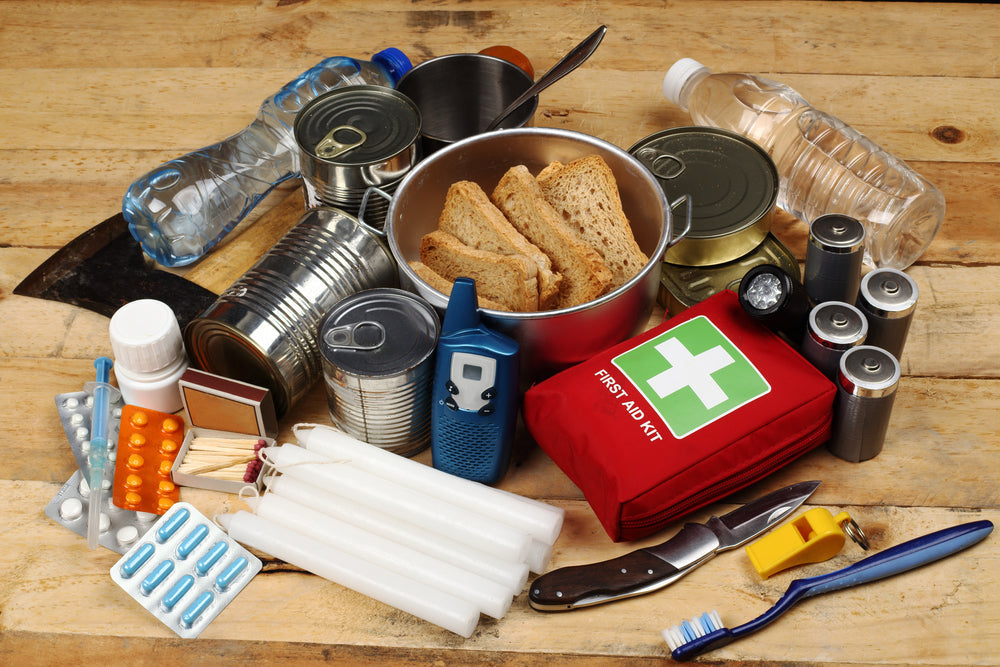
An emergency food supply kit is a critical part of disaster preparedness. Whether facing a natural disaster, power outage, or supply chain disruption, having a well-planned food reserve ensures that you and your family can maintain proper nutrition and energy when access to fresh food is limited.
A properly stocked kit should be designed to last at least 72 hours, though many households choose to prepare for longer periods.
Understanding the Purpose of an Emergency Food Supply Kit
The main purpose of an emergency food supply kit is to provide reliable, non-perishable nutrition during unexpected situations. Unlike regular groceries, emergency food must remain safe to eat without refrigeration, cooking, or complex preparation.
1. Sustains energy during emergencies:
Proper food storage ensures the body receives enough calories to maintain strength and focus during stressful situations.
2. Reduces dependence on external supply chains:
During disasters, grocery stores and supply routes may be disrupted, making stored food essential.
3. Provides stability and comfort:
Having familiar food items available can help reduce anxiety and improve emotional well-being during emergencies.
Essential Food Items to Include
A well-balanced emergency food kit should include a variety of foods that provide carbohydrates, protein, fats, and essential nutrients.
1. Non-perishable ready-to-eat meals:
Items such as canned soups, beans, vegetables, and ready-to-eat meal kits are ideal because they require little to no preparation. These foods are long-lasting and provide balanced nutrition.
2. Energy-dense food bars:
High-calorie food bars are compact, easy to store, and designed to provide quick energy. They are especially useful in situations where cooking is not possible.
3. Dehydrated or freeze-dried meals:
These meals are lightweight, have a long shelf life, and only require water to prepare. They are commonly used in survival kits due to their efficiency and nutritional value.
4. Canned proteins:
Tuna, chicken, and other canned meats provide essential protein needed for muscle maintenance and energy. They are durable and can be stored safely for long periods.
5. Grains and carbohydrates:
Items such as rice, pasta, oats, and crackers provide sustained energy and help maintain fullness during extended emergencies.
Water and Hydration Supplies
Food is only part of survival; hydration is equally important. An emergency food supply kit should always include clean drinking water or water purification options.
1. Bottled water:
The most reliable option for immediate hydration needs.
2. Water purification tablets or filters:
Useful in situations where clean water is not readily available.
3. Electrolyte packets:
Help maintain hydration and replace essential minerals lost during stress or physical activity.
Additional Nutritional Considerations
A complete emergency food supply kit should also address dietary balance and special needs.
1. Vitamins and supplements:
This help prevent nutritional deficiencies if emergency conditions last longer than expected.
2. Special dietary items:
Families should consider allergies, medical conditions, and dietary restrictions when selecting food items.
3. Comfort foods:
Small items like chocolate or snacks can help reduce stress and improve morale during difficult situations.
Conclusion
An emergency food supply kit is an essential component of any preparedness plan. By including a variety of non-perishable meals, protein sources, carbohydrates, and hydration supplies, families can ensure they are ready for unexpected situations.
Proper planning not only supports physical survival but also provides peace of mind during uncertain times. Investing time in building and maintaining a food supply kit is a simple but powerful step toward long-term safety and resilience.