

Introduction
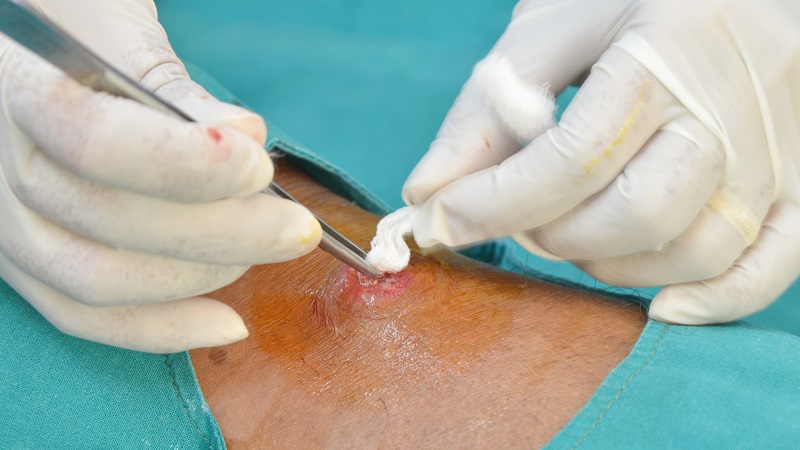
Minor surgical procedures are a routine part of Health care settings such as hospitals, emergency departments, urgent care centers, and outpatient clinics. One of the most common procedures performed by Health care professionals is incision and drainage, often used to treat abscesses, infected wounds, or fluid collections. To perform these procedures safely and efficiently, medical teams rely on incision and drainage kits.
An incision and drainage kit is a sterile medical set that contains the instruments and supplies needed to perform drainage procedures in a controlled and hygienic manner. These kits help Health care providers improve procedural efficiency, reduce infection risks, and deliver better patient care.
What Is an Incision and Drainage Kit?
An incision and drainage kit is a sterile collection of medical tools designed specifically for draining abscesses or removing accumulated fluids from infected areas.
These kits typically include:
- Scalpels
- Forceps
- Gauze sponges
- Drapes
- Syringes
- Gloves
- Packing materials
- Antiseptic supplies
The exact contents may vary depending on the type of procedure and Health care setting.
Why Use an Incision and Drainage Kit
1. Importance of Treating Abscesses and Infections
Abscesses occur when pus builds up due to infection. If left untreated, they can cause severe pain, swelling, and complications.
Incision and drainage procedures help remove infected material and reduce pressure in the affected area.
Common Conditions Requiring Drainage Include:
- Skin abscesses
- Soft tissue infections
- Boils
- Cysts
- Post-surgical fluid collections
Using a dedicated incision and drainage kit ensures Health care providers have all necessary sterile instruments available during treatment.
2. Improving Procedure Efficiency
One major advantage of drainage kits is improved work flow efficiency.
Instead of gathering instruments individually, Health care providers can access all required tools in a single sterile package.
Efficiency Benefits Include:
- Faster procedure preparation
- Reduced treatment delays
- Improved organization
- Simplified inventory management
- Better emergency readiness
This is especially important in urgent care environments where rapid treatment is necessary.
3. Supporting Infection Control
Sterility is critical during any surgical or drainage procedure. Incision and drainage kits are designed to reduce contamination risks by providing sterile, single-use instruments and supplies.
Infection Prevention Benefits Include:
- Reduced cross-contamination
- Lower risk of surgical site infections
- Safer wound management
- Improved patient protection
Disposable sterile kits also minimize the need for instrument reprocessing and sterilization between patients.
Health care facilities increasingly rely on single-use procedural kits to strengthen infection control protocols.
4. Enhancing Patient Safety and Comfort
Proper drainage procedures help relieve pain, reduce swelling, and accelerate healing.
Using a well-organized incision and drainage kit allows clinicians to perform procedures more accurately and efficiently, improving the overall patient experience.
Patient Care Advantages Include:
- Faster treatment
- Reduced procedure time
- Improved wound care
- Better healing outcomes
- Lower complication risks
Many kits also include wound packing materials and dressing supplies that support post-procedure care.
Conclusion
Incision and drainage kits are important tools in modern Health care, supporting safe and effective treatment of abscesses, infections, and fluid collections. Their sterile design, convenience, and procedural efficiency help Health care providers improve patient care while strengthening infection control practices.
As Health care facilities continue focusing on safety, speed, and operational efficiency, incision and drainage kits will remain essential components of minor surgical and wound management procedures.