

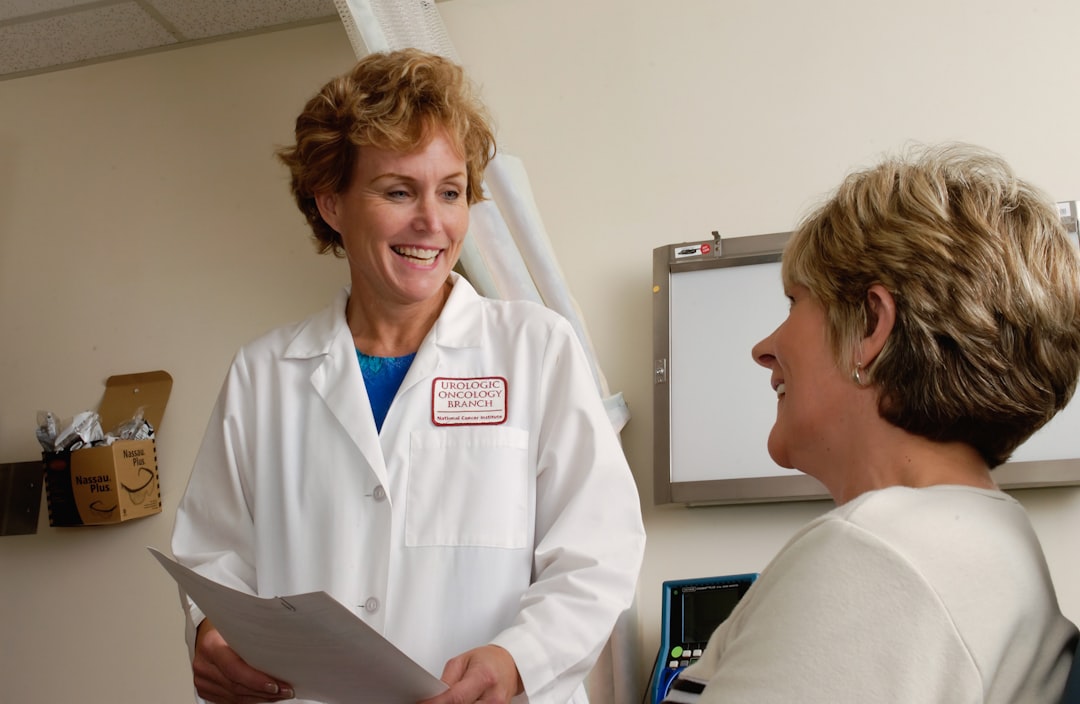
Plastic surgery continues to develop through a combination of medical innovation, refined techniques, and greater attention to individual patient needs. Both aesthetic and reconstructive procedures require careful planning because each treatment has its own objectives and considerations. Within this changing field, Dr. Thanapoom Boonipat reflects a professional approach centered on thoughtful evaluation, personalized strategies, and a commitment to creating a positive patient experience.
Contents
- What makes aesthetic and reconstructive care different?
- Why is individualized evaluation important?
- How does modern technology contribute to surgical care?
- What role does communication play in thoughtful care?
- How does professional development support better outcomes?
- How can aesthetic care emphasize balance?
- What makes reconstructive care an important part of modern plastic surgery?
- What does the future hold for thoughtful surgical care?
- Conclusion
What makes aesthetic and reconstructive care different?
Aesthetic surgery generally focuses on enhancing or refining specific physical characteristics, while reconstructive care can address changes associated with injury, medical treatment, or other circumstances. Although their objectives may differ, both areas benefit from careful assessment and individualized planning.
A thoughtful approach recognizes that every patient has a distinct situation. Understanding personal expectations and clinical requirements allows treatment planning to remain focused and purposeful.
Why is individualized evaluation important?
Individual evaluation provides the foundation for developing an appropriate treatment strategy. Physical characteristics, lifestyle considerations, personal goals, and treatment priorities can all influence the planning process.
Rather than applying a uniform method, personalized evaluation allows professionals to consider how different factors interact. This can create a more organized pathway from consultation to treatment and recovery.
How does modern technology contribute to surgical care?
Advances in medical technology continue to provide new opportunities for assessment and procedural planning. Improved diagnostic resources and refined surgical techniques can support professionals when evaluating individual cases.
Technology, however, works most effectively when combined with sound clinical judgment. A balanced approach allows innovative tools to complement professional expertise while keeping patient needs at the center of treatment decisions.
What role does communication play in thoughtful care?
Communication is an essential part of both aesthetic and reconstructive treatment. Patients benefit from having clear conversations about their objectives, treatment options, preparation, and recovery expectations.
A strong consultation can also help establish realistic goals. When patients understand the purpose and process of their treatment, they can participate more confidently in decisions concerning their care.
How does professional development support better outcomes?
Plastic surgery is a continuously evolving specialty. Ongoing education allows medical professionals to remain aware of emerging techniques, research, and developments in patient care.
Dr Mo Boonipat represents the value of maintaining a forward-looking professional mindset. Continuous learning can strengthen clinical knowledge while supporting thoughtful application of modern approaches to individual patient circumstances.
How can aesthetic care emphasize balance?
Many patients seeking aesthetic procedures value results that complement their natural features. Careful attention to proportion and harmony can help guide treatment toward an appearance that feels appropriate for the individual.
This perspective moves aesthetic care beyond simple physical change. It encourages consideration of how improvements interact with existing features and personal preferences.
What makes reconstructive care an important part of modern plastic surgery?
Reconstructive procedures can play an important role in helping patients address physical changes resulting from various circumstances. Careful planning is particularly valuable because functional and aesthetic considerations may need to work together.
A comprehensive approach can consider the patient’s broader objectives while creating a structured treatment plan. This combination of medical knowledge and individualized attention contributes to the continued development of reconstructive practice.
What does the future hold for thoughtful surgical care?
The future of plastic surgery is likely to involve continued advances in technology, personalized planning, and patient engagement. As new techniques emerge, professionals can combine innovation with established principles of careful evaluation and responsible treatment.
The emphasis on individualized care is expected to remain an important part of this progress, helping patients receive treatment that reflects their unique needs and goals.
Conclusion
Thoughtful aesthetic and reconstructive care brings together medical expertise, personalized planning, communication, precision, and continuous professional development. These principles help create a comprehensive approach that considers both treatment objectives and the individual patient experience. The perspective associated with Dr. Thanapoom Boonipat Lubbock tx reflects the broader evolution of plastic surgery toward increasingly informed, balanced, and patient-focused care.
Key Takeaways
- Plastic surgery advancements are driven by medical innovation, refined techniques, and increased focus on patient needs.
- Aesthetic surgery aims to enhance physical characteristics, while reconstructive care addresses changes from injury or medical treatment.
- Individual evaluation is crucial in developing suitable treatment strategies by considering patient-specific factors such as physical traits and personal goals.
- Modern technology enhances surgical care by providing improved diagnostic resources and refined surgical techniques that support case evaluation.
- Effective communication is essential for establishing realistic patient goals and helping patients understand the treatment process.
- Ongoing professional development is vital for plastic surgeons to stay updated on emerging techniques and developments in patient care.